
Knowledge
A one-stop knowledge base for the public and practitioners—clear guides on leaks, materials, home systems and industry know-how to reduce blind repairs.
Leak & waterproofing encyclopaedia
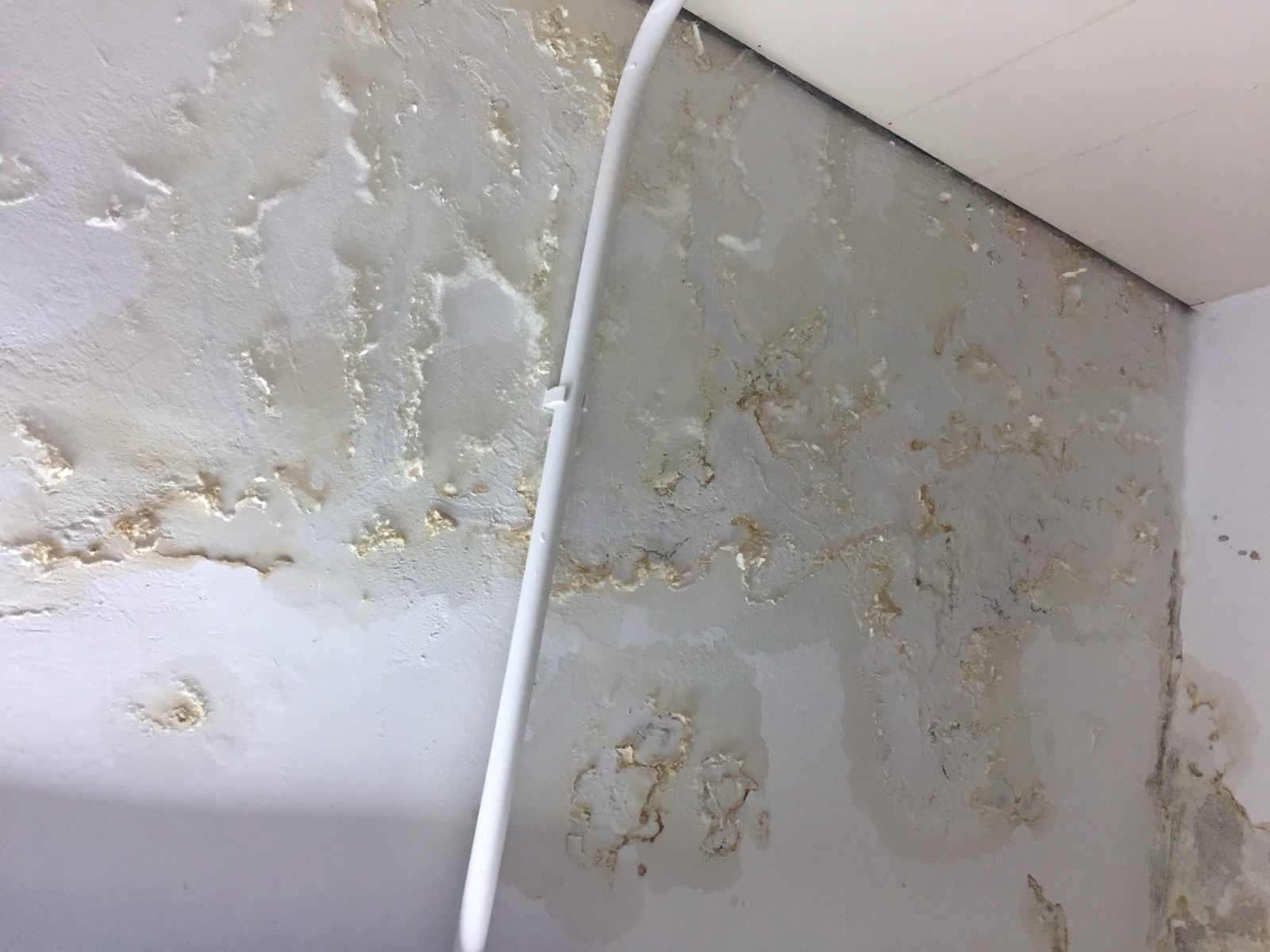
Rooftop PU waterproofing: primer, body coats, topcoat—and DIY limits
PU roof waterproofing is not one brush coat. Primer, 2–3 body coats and a UV topcoat, plus detailing at parapets and drains, make a complete system. Know what you can DIY.
Recurring wall efflorescence? Stop the water before skim-coating
If white powder and peeling paint keep returning, the water path is still open. Causes, how to find the source, the correct order of works, and when to call a pro.
Leak tracing basics: how to find the water source
Wall damp or a dripping ceiling is not always from directly above. Trace leaks in order: log timing, eliminate zones, then repair—use simple checks before opening walls.
Common DIY Mistakes That Make Seepage Worse
Seven homeowner DIY habits that worsen leaks—wrong sealants, sealing vapour paths, repairing before finding the source—and safer alternatives.
Emergency Stop-Leak vs Permanent Repair: When Temporary Is Enough
Safe temporary steps when a ceiling drips or a window leaks, why surface sprays often fail, and when permanent diagnosis and repair are required.
Seepage and Nuisance: General Information
Prolonged seepage may raise hygiene/nuisance issues—general information only, not legal advice.
AC Ledge Seepage: Ponding, Drainage and Joints
Ponding or failed joints on AC ledges often leak indoors after storms—check drainage before DIY or exterior works.
Upper-Floor Seepage Responsibility: Communication and Evidence
Cross-unit seepage needs early communication and evidence; departmental and civil tracks differ—general info only.
Joint Office Investigation Stages: Key Points for Owners
Overview of Stages I–III, advisory repair notices and inspection-fee recovery (general information).
Finding a Leak Source: Observation, Logging and Tool Limits
Source-finding starts with structured observation; IR tools help but never prove a source alone.
External Wall Seepage Into Interiors
Cracks and hollow rendering can drive rain into walls—usually a professional job; owners should keep evidence.
Window and Windowsill Seepage After Wind and Rain
Windowsill leaks are common—check sealant and drainage before DIY resealing or external frame repair.
Bathroom Leaks: Shower Trays, Floors and Common Blind Spots
Bathroom leaks often involve trays, drainage and joints—separate in-flat issues from effects downstairs.
Ceiling Water Seepage: Causes and What To Do Next
Ceiling stains often track upper floors, pipes or window paths—log first, then observe, complain or repair.
Water Seepage Between Flats: Finding the Cause and Joint Office Guidance
From 16 July 2026 the Joint Office uses new seepage procedures: advisory repair notices, a 28-day window, and inspection-cost recovery of at least HK$17,000.
Owner Water Seepage Self-Check: 6 Safe Diagnostic Steps
A six-step homeowner guide to observe ceilings, walls, windows and drains, log stains safely, and judge when to call professionals—without blind repairs.
Common Household Seepage Types: Ceiling, Wall, Floor, Window and Roof
Hong Kong household seepage usually falls into pipe leaks, upper-floor water use, failed floor waterproofing, or rain through roof/wall/windows—symptoms point to responsibility and repair direction.
Home plumbing & structure
Home Repair Maintenance Calendar: Sealant, Roof Drains and Typhoon Season
A Hong Kong seasonal calendar for resealing, clearing roof drains, window checks and statutory inspection timing before the rainy season.
Home Plumbing and Structure Maintenance Basics: Annual Checklist
Monthly, quarterly and yearly checks for water meters, windows, drains and electrics so small Hong Kong home issues are caught before costly repairs.
DIY tools & materials
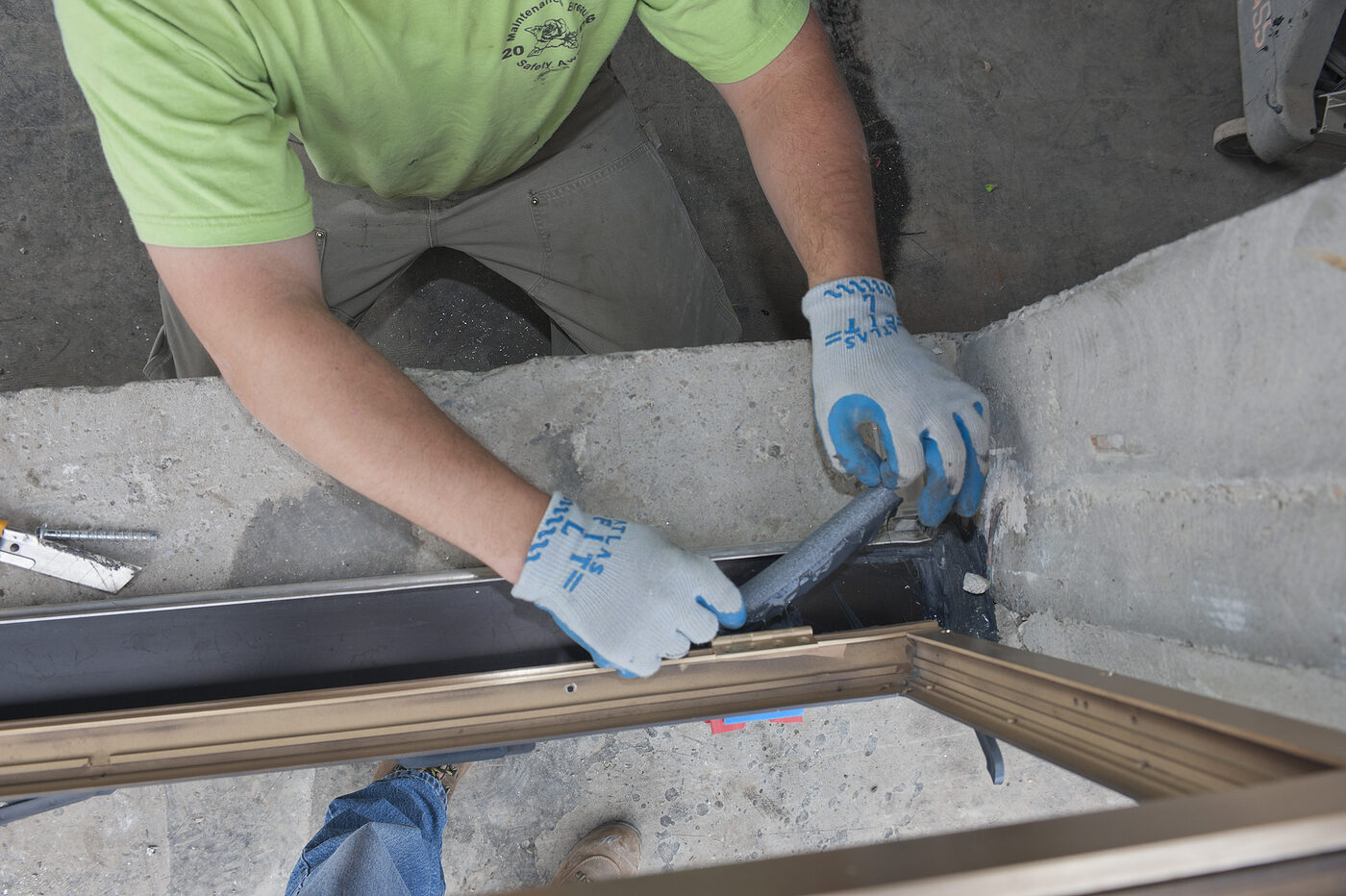
Tech leak tracing instruments: thermal, moisture meter, endoscope
Thermal cameras, moisture meters and endoscopes are the three common tools: what each shows, how they work together, and whether owners should buy them.
Concrete Repair and Spalling Basics
Spalling often ties to corroding rebar and moisture—assess safety before repair and waterproofing.
Efflorescence: Causes and Cleaning Direction
Efflorescence is salt crystallising with water—clean the surface, then stop the moisture path.
Waterproof Membranes and Liquid-Applied Systems
Sheet and liquid membranes cover roofs and floors—detailing at edges decides success.
PU Grouting Basics for Crack Injection
Polyurethane grouting is common for crack sealing—assess crack type and water pressure; not casual DIY.
Crystalline Waterproofing: Principles and Suitable Uses
Water-borne crystalline systems penetrate concrete and block pores—substrate and craft matter; not universal.
DIY Tools and Materials: Sealant, Filler and Caulking Gun Buying Guide
How to choose silicone, antimould sealant, fillers and caulking tools for Hong Kong bathrooms, windowsills and kitchens—and avoid mismatched materials.
Waterproofing Materials Basics: PU, Cementitious and Membrane Comparison
Compare common waterproofing materials used in Hong Kong—polyurethane, cement-based coats and sheet membranes—and when each fits roofs, bathrooms or balconies.
Industry notes & know-how
How to choose a waterproofing course: online vs hands-on
Online courses are convenient; hands-on classes build skill. Compare formats so you pick what matches your goal—DIY awareness, career switch, or site supervision.
Acceptance Tests After Waterproofing: Ponding, Spray and Colour-Water
How ponding, spray and colour-water tests are used to accept waterproofing works, what they prove, and what owners should witness on site.
How to Read a Waterproofing Warranty: What Is Covered and What Is Not
Decode waterproofing warranty documents—works vs materials cover, common exclusions, and what owners should keep on file after repairs.
Switching into Waterproofing Repair: Practical Tips
Career switchers should check physical/safety fit, build material basics, then use a certificate course as a credible start.
Entering the Waterproofing Trade in Hong Kong
A practical entry path: materials, safety, hands-on practice and training options (general information).
Before Hiring Waterproofing Works: Quote, Warranty and Acceptance Checklist
Eight checks before commissioning waterproofing in Hong Kong: contractor credentials, written scope, warranty wording, staged payment and acceptance tests.